
Guide to Rick Simpson Oil: What is it?
If you’ve been exploring natural cannabis-based remedies, chances are you’ve heard of Rick Simpson Oil or RSO. It’s known for its thick texture, high potency, and reputation in the medical cannabis community.
Many people use it for serious health conditions, though it’s also surrounded by debate and curiosity.
If you’re wondering how it works, how it’s made, and what makes it different from other cannabis oils, you may find the necessary information in simple terms.

What is Rick Simpson Oil?
Rick Simpson Oil, also known as “Oil Rick Simpson”, is a form of concentrated cannabis oil, which has very high amounts of THC (the primary psychoactive compound within cannabis) in it.
The name RSO comes from Rick Simpson, the man who created the oil. He developed his own version of Rick Simpson Oil as a test project after he struggled with skin-related problems.
RSO differs greatly from other forms of CBD oil, as it is generally produced using extremely potent indica-based strains to produce the strongest possible full-body effects.
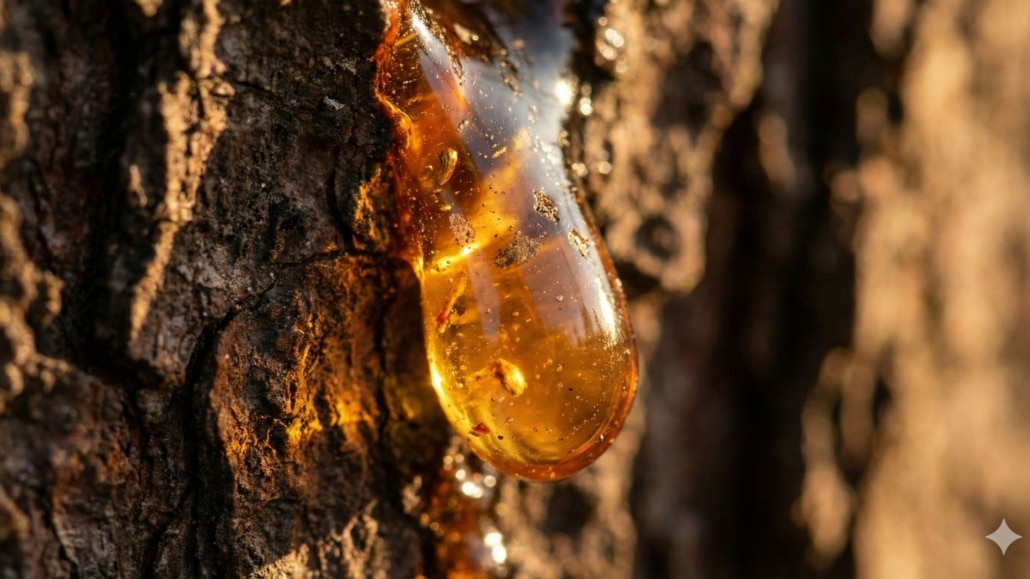
Generally, RSO is black in color and very thick in consistency. It is available in syringe-forms so that users can easily measure their doses.
It is important to mention that Oil Rick Simpson began to gain interest as an alternative to conventional treatments for individuals suffering from skin cancer, chronic pain and inflammation. While there’s limited large-scale research, studies suggest that THC and other cannabinoids may help inhibit tumor growth in certain cases, though Oil Rick Simpson shouldn’t replace traditional medical treatments.
Who is Rick Simpson?
Rick Simpson, an engineer from Canada, developed what would become known as “RSO” or “Rick Simpson Oil”, which has been popularized since the early 2000s. Mr. Simpson also reported that he used the oil to treat Basal Cell Carcinoma (a form of skin cancer) when applied directly to the area of the skin affected by the disease.
The success of Mr. Simpson’s treatment led to sharing his process with the public and encouraged others to create their own RSO for personal use.
The word about Mr. Simpson’s development and results have spread quickly. However, the medical community has expressed concerns over the risks associated with treating serious diseases on one’s own without medical guidance. Despite the caution, Mr. Simpson has brought attention to the potential therapeutic applications of Medical Marijuana.

How is Rick Simpson Oil Made?
Rick Simpson Oil (RSO) is created through a simple solvent extraction process. However, the use of flammable solvents makes this a potentially hazardous process.
This is a general overview of the process to create RSO:
- Selection of Plant Material – RSO is generally produced with cannabis plants containing a large amount of THC (indicative of indica-dominant varieties), as they are associated with relaxation, sedation, etc.
- Solvent Extraction – Dried plant materials are placed into a solvent (ethanol or isopropyl alcohol). Solvents dissolve cannabinoids and terpenes from the plant material.
- Removal of Solvent – Carefully boil off the solvent. This leaves behind an extremely viscous, oily substance (tar-like) with very high concentrations of cannabinoids.
- Storage of Oil – After all solvent has been evaporated off, the resulting oil is allowed to cool and then stored within a syringe or sealed container for easy dosing.
Many homemade tutorials have been published online, detailing the method to produce RSO. However, it is best to obtain RSO from a licensed cannabis dispensary near you to ensure it was manufactured using proper manufacturing procedures and tested for safety. Homemade RSO may pose a risk of explosion/fire hazards and/or contamination.
What Makes RSO Different from Other Cannabis Oils?
RSO stands apart from other cannabis products because of its strength and intended use. Here’s how it compares:
| Type of Oil | Main Compound | THC Level | Common Use | Form |
| Rick Simpson Oil (RSO) | THC | High (50–80%) | Full-body effects, pain, alternative use | Thick oil (syringe) |
| CBD Oil | CBD | Very Low or 0% | Anxiety, inflammation | Tincture or capsule |
| Hemp Oil | Nutrients, trace cannabinoids | 0% | Nutrition, skincare | Cooking or cosmetic oil |
| Cannabis Tincture | THC/CBD | Moderate | Versatile dosing | Alcohol-based dropper |
Unlike CBD oil, RSO’s goal is to deliver maximum potency. It’s also taken in much smaller doses because of its high THC concentration.
Some users follow the “60 grams in 90 days” routine recommended by Simpson, starting with small doses and gradually increasing over time.
How is Rick Simpson Oil Used?
RSO can be consumed in a variety of ways by individuals depending on their individual comfort level and medical condition.
Orally
The most popular method of consuming RSO is orally (swallowing) small amounts of oil at a time. Due to its high concentration, most people start with an amount equivalent to a single grain of rice. Effects may be felt 1–2 hours after consumption of the oil.
Topical Application
Others choose to apply RSO directly to affected areas of the body such as localized pain. This application of oil will absorb slowly without causing any psychoactive effects from the cannabis.
Capsules
Capsules can also be filled with RSO making it easier for consumers to accurately measure the amount they consume and providing a level of discretion when taking their medicine.
Food (Edibles)
Some consumers combine their RSO with other foods; however, the earthy flavor of the oil may require some time to become accustomed to.
Many users find it beneficial to increase their tolerance over time by increasing their dosage. In addition, they should keep track of the exact dosage of RSO they are consuming due to its extremely high potency, which can easily overwhelm even the most experienced users.
Potential Benefits of Rick Simpson Oil
Research on Rick Simpson Oil is still developing, but many users and early studies have pointed to potential benefits tied to its high THC and cannabinoid levels.
Here are some of the most talked-about possibilities:
- Pain Reliever – The product is very effective in reducing pain caused by chronic pain and inflammation.
- Sleep Aid – It is used as a sleep aid because of its relaxation and sedation effects.
- Appetite Stimulation – Similar to all THC products, it will stimulate your appetite if you are experiencing a lack of appetite due to an illness or treatment.
- Possible Anti-Cancer Effects – Some studies suggest THC and cannabidiol (CBD) may influence cancer cells and potentially inhibit tumor growth, though these findings are still being explored.
- Mood Maintenance – By interacting with the endocannabinoid system, RSO may help maintain a stable mood and overall sense of well-being.
Rick Simpson Oil should never be substituted for your prescribed medication. However, it may be added to a medical marijuana regimen when medically supervised.
Is Rick Simpson Oil Legal?
RSO can be bought legally from a licensed dispensary if you are in a State that allows medical marijuana. However, if you do not live in such an area, you may face consequences (penalties) for owning or creating it. As RSO has high levels of THC, it is not categorized as hemp based oils.
It is advisable to check local cannabis laws or talk to professionals at a dispensary prior to buying or using RSO.
Is Rick Simpson Oil Safe?
RSO can be safe when created and consumed in moderation by adults who have knowledge about medical cannabis. However, there are many factors to consider to ensure safe consumption:
- Start small: Due to the extremely high potency of the oil, start with one to two drops (the size of a grain of rice) per day, and then increase slowly over time.
- Side effects: Dizziness, dry mouth and drowsiness are all common side effects when consuming very high THC products.
- Do not make your own extraction: Using highly flammable solvents to create your own RSO can be dangerous.
- Consult a doctor: Especially if you have medical issues or take other medication(s), consult with your doctor prior to starting to consume RSO.
Note: If you’ve ever asked yourself “What is Rick Simpson Oil?”, think of it as a powerful, full-extract cannabis concentrate made to deliver maximum cannabinoids for potential therapeutic use.
Simpson’s original 90-day plan included gradually increasing his dosage to 60 grams of RSO; however, he was under the care of a physician.
What Science Says About RSO
Human clinical trials on RSO are limited, but early findings, including notes from the National Cancer Institute, suggest cannabinoids may interact with the body’s natural defense systems and the endocannabinoid system in ways that could support recovery.
Some animal and cell studies show cannabinoids may influence immune responses and may inhibit certain cancer cells or tumor growth, though far more research is needed to understand how this applies to humans.
RSO is currently viewed as a potent medical cannabis product with possible symptom relief benefits, but it should be used with realistic expectations and responsible guidance.

RSO in Today’s Medicine and Modern Cannabis Use
RSO is now viewed as a highly concentrated cannabis oil that offers far stronger effects than flower or tinctures. Its high THC content has renewed interest in cannabis’ therapeutic potential and how potency may influence healing. As a result, RSO continues to shape conversations around natural, alternative treatment options.
For safety, anyone interested in RSO should buy only from licensed dispensaries where products are lab-tested for purity, potency, and extraction solvents.
Final Thoughts on Rick Simpson Oil
RSO remains one of the most fascinating products in the cannabis world. It blends science, personal experience, and the growing demand for natural relief options. While more research is needed to confirm its medical claims, RSO has already influenced how people view medical marijuana and cannabis oil in healing.
For those curious about trying it, start with a small dose, seek professional advice, and get products only from a trusted dispensary. With responsible use and realistic expectations, RSO may provide meaningful support for relaxation, relief, and overall well-being.
References
- (n.d.). What is RSO? All about Rick Simpson Oil.
- (n.d.). Rick Simpson Oil (RSO) for cancer: Does it work?
- Arbors Wellness. (n.d.). What is RSO?
- Higher Leaf. (n.d.). RSO recreational dosage guide.
- (n.d.). How many mg of THC in 1 gram of Rick Simpson oil?
- CannaMD. (2025, April 17). The ultimate guide to Rick Simpson Oil (RSO).